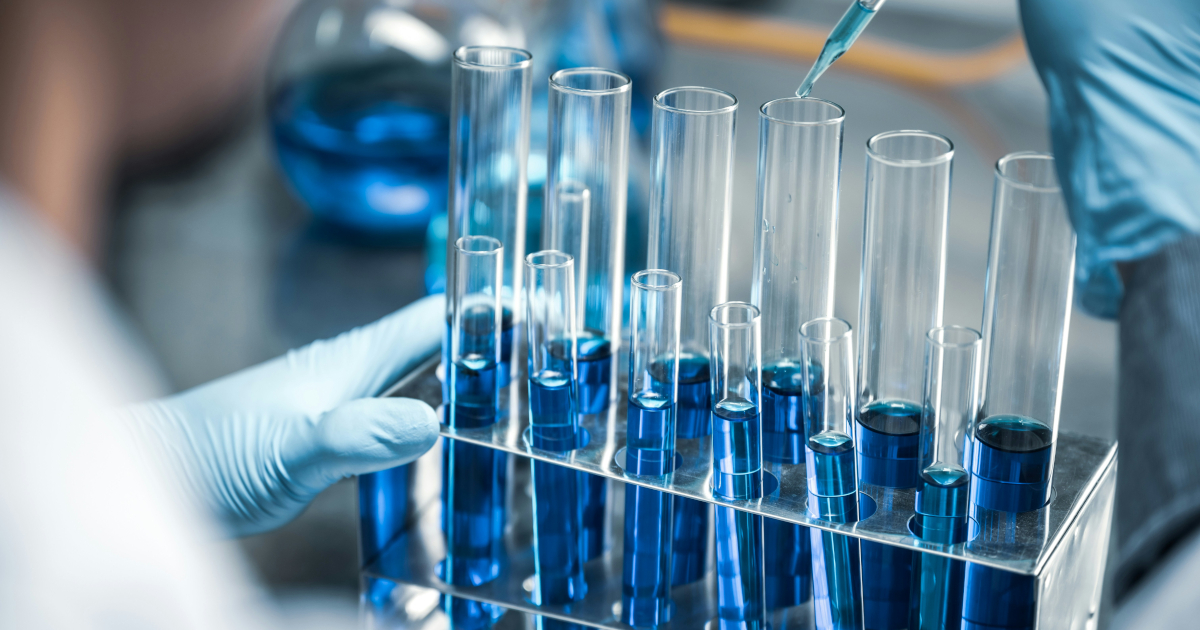
The Office of Critical Minerals and Energy Innovation, under the U.S. Department of Energy, has committed $75 million to five projects aimed at recovering rare earth elements and other critical minerals from coal byproducts. The funding will be allocated under the Domestic Industrial Facilities program, with selected projects establishing pilot-scale facilities designed to convert coal byproducts into commercially viable critical minerals, thereby strengthening domestic processing capabilities.
This initiative underscores the growing importance of securing a domestic supply of rare earth elements, which are essential for a wide range of technologies including electric vehicles, wind turbines, and defense systems. Currently, the United States relies heavily on imports for these materials, creating strategic vulnerabilities. By investing in extraction from coal waste, the DOE aims to reduce this dependence and create a more resilient supply chain.
The selected projects will focus on developing and demonstrating technologies to extract rare earth elements from coal ash, mine tailings, and other coal-related materials. Success in these pilot facilities could pave the way for commercial-scale operations, potentially transforming waste streams into valuable resources. This approach not only addresses supply chain concerns but also offers environmental benefits by repurposing waste materials.
Companies like MAX Power Mining Corp. (CSE: MAXX) (OTC: MAXXF) are also active in related sectors, exploring natural hydrogen as an alternative clean energy source. The DOE's funding aligns with broader efforts to accelerate the energy transition and reduce reliance on foreign sources of critical minerals.
The announcement comes as global demand for rare earth elements is expected to surge in the coming years, driven by the expansion of clean energy technologies. The DOE's investment is part of a larger strategy to boost domestic production and processing of these materials, which are critical for national security and economic competitiveness.
More information about the funding and selected projects can be found through the DOE's Office of Critical Minerals and Energy Innovation. This move is seen as a significant step toward building a more sustainable and secure supply chain for the materials that power modern technology.