Peptides, as short sequences of amino acids, serve as signaling molecules that influence various biochemical pathways. Recent research has focused on compounds like tirzepatide, retatrutide, and glutathione for their potential in metabolic adjustment, tissue repair, and redox regulation. Understanding their mechanisms and research implications is critical for controlled experimental studies.
Tirzepatide operates as a dual receptor agonist, engaging glucose-dependent insulinotropic polypeptide (GIP) and glucagon-like peptide-1 (GLP-1) receptors. This dual action modulates metabolic signaling related to glucose management, lipid metabolism, and gastrointestinal movement. The molecule shows higher affinity for GIP receptors and biased signaling at GLP-1 receptors, leading to distinct outcomes. Two FDA-approved medications containing tirzepatide—Mounjaro for type 2 diabetes research and Zepbound for metabolic regulation and body-weight research—offer various experimental frameworks. Wholesale Peptide provides research-grade peptides for such studies.
Retatrutide is a triple-receptor peptide targeting GIP, GLP-1, and glucagon receptors, broadening metabolic signaling modulation. Phase II studies have shown significant weight reductions under controlled settings, surpassing dual-agonist peptides. Research interest centers on how receptor distribution affects lipid metabolism, energy balance, and hepatic signaling. The compound is undergoing advanced clinical evaluations with regulatory status pending.
Glutathione, a tripeptide of glutamine, cysteine, and glycine, functions as a vital intracellular antioxidant involved in redox regulation and detoxification. Oral supplementation faces absorption challenges; reduced glutathione has limited oral bioavailability, while S-acetyl-L-glutathione and liposomal glutathione offer enhanced stability and transport. Formulation choice influences systemic or tissue levels.
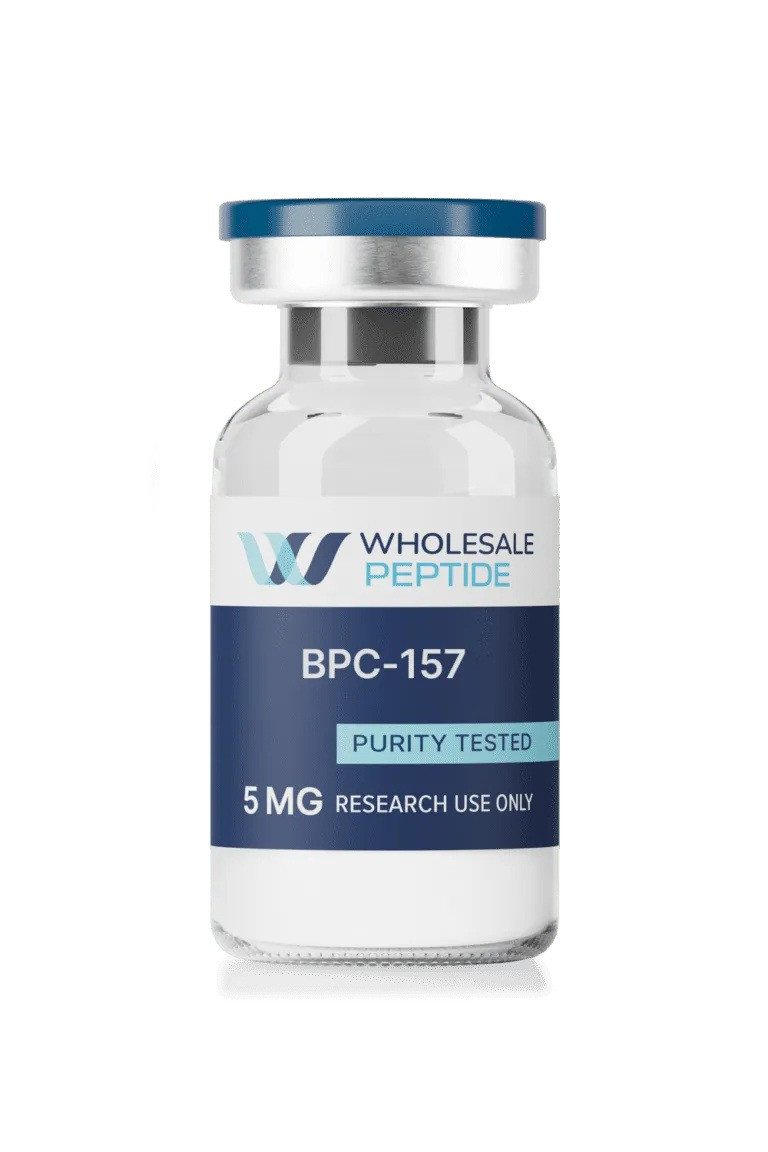
Additional peptides under investigation include BPC-157, a synthetic gastric protein fragment studied for angiogenic pathways and tissue repair, though most evidence is preclinical. CJC-1295 and Ipamorelin act on growth hormone-related systems, stimulating pulsatile hormone release affecting insulin-like growth factor pathways and protein synthesis. Collagen peptides are being explored for connective tissue signaling and matrix composition.
Research integrity requires careful distinction among FDA-approved products, investigational agents, compounded peptides, and dietary supplements, each with regulatory implications. Verification steps include confirming regulatory status, evaluating manufacturer quality control, and reviewing analytical testing reports. Unregulated or low-quality peptides introduce variability in purity and activity, jeopardizing study outcomes.
In summary, peptide research spans metabolic, regenerative, and antioxidant domains. Tirzepatide exemplifies dual receptor modulation, retatrutide offers multi-receptor signaling, and glutathione remains a key antioxidant model. Successful research depends on rigorous sourcing, analytical verification, professional oversight, and adherence to regulatory standards to ensure reproducible results.