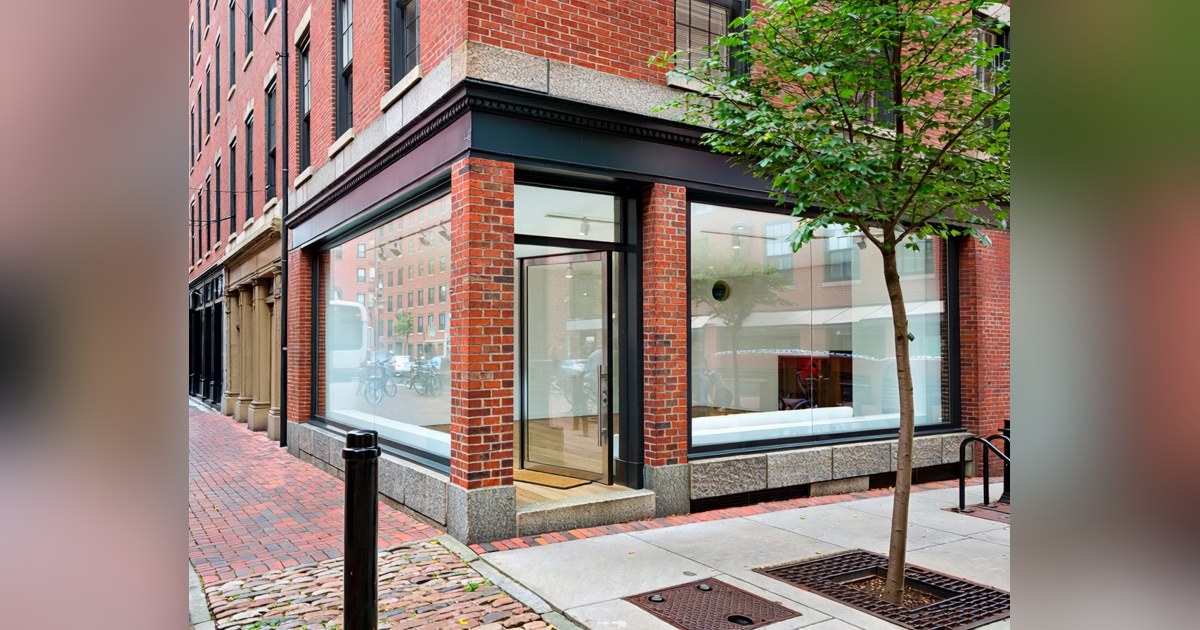
Developers typically evaluate ground-floor retail by the rent it generates, but Ann Ehrhart, a Boston-based retail strategist and founder of EVERSTREET, argues that this metric captures only a fraction of retail's potential. “A property’s address doesn’t change, but its location value can improve,” Ehrhart said. Her firm approaches each project by asking how the location can become more valuable, and she sees retail as a key tool for achieving that.
Retail’s influence extends beyond its physical footprint. Ehrhart cites a restaurant occupying 5,000 square feet that can make people want to live nearby, work nearby, visit more often, and spend more time in the neighborhood. While real estate traditionally measures retail through rent, net operating income, occupancy, and leasing costs—and in mixed-use projects as an amenity that helps lease apartments or offices above—Ehrhart contends that “all of that is real value, but it doesn’t capture the full economic impact of great retail and great place.” When retail enhances a place’s desirability, the benefits can surface in residential, office, hospitality, and surrounding real estate. “The storefront creates the experience,” she said. “The location captures the multiplier.”
Ehrhart points to research indicating that walkable, mixed-use environments command measurable premiums in home values, apartment rents, and office and retail rents compared with less walkable locations. Municipal research she has reviewed also shows walkable mixed-use districts generating more property tax revenue per acre than lower-density development. She is careful about the drivers: “People aren’t paying a premium for sidewalks. They’re paying for what the sidewalks connect them to.” Restaurants, shops, fitness, entertainment, services, and public spaces give people reasons to walk and to choose one location over another. This dynamic isn’t confined to established downtowns; in larger master-planned developments, ownership can shape density, streets, public spaces, dining, and connections between uses. “You’re creating a location rather than simply reacting to one,” Ehrhart said, emphasizing that planning for future location value is critical.
However, more retail square footage does not automatically yield a greater multiplier. According to Ehrhart, the benefit comes from the right retail, not the most retail. EVERSTREET evaluates fit through market demand—defined as the intersection of consumer demand and tenant demand—and then aligns merchandising, design, and underwriting around it. “A great retail ecosystem isn’t necessarily the biggest one,” she said. “It’s the one people actually want to use and operators can successfully occupy.” This principle is central to the firm’s mission: tenants must be supported by the surrounding community for the space to perform over time. Retail that the neighborhood doesn’t use works against a project instead of for it.
At the storefront level, the obvious question is how much rent a tenant can pay. Ehrhart encourages developers and investors to ask a second: what can this retail investment do for the value of the location? The two questions don’t always lead to the same answer—the highest-paying tenant may not be the one that most enhances residential retention, office demand, or foot traffic. That doesn’t mean subsidizing retail without discipline, she said. It means being clear about the intended return and where it will show up—whether in storefront income, residential rents, retention, office demand, visitation, land value, or future development potential. “That’s when retail becomes a capital allocation conversation, not simply a leasing conversation,” Ehrhart said. For developers weighing a mixed-use program, the practical step is to look beyond what a storefront is worth on its own. “The question shouldn’t only be, what is this storefront worth?” Ehrhart said. “We should also be asking, what can this storefront do for the future value of the place around it?”