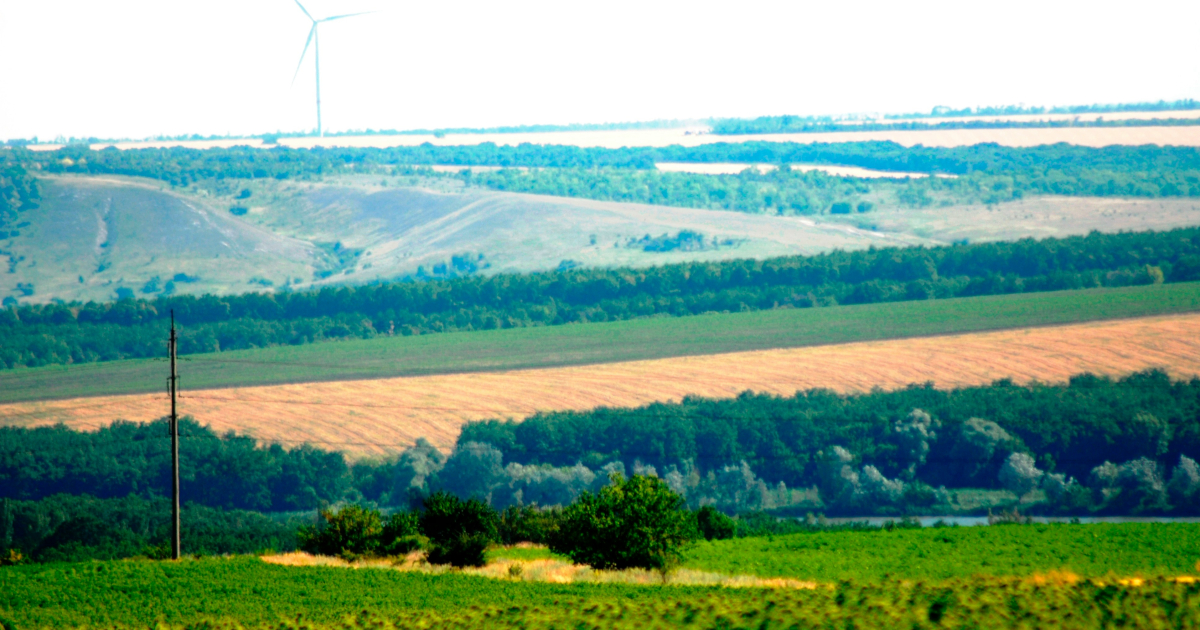
The accelerating transition to renewable energy sources is widely celebrated as a critical step in combating climate change, but the infrastructure required for this shift carries its own environmental costs. Large-scale solar panel arrays can displace native species, wind turbines are known to cause bird and bat fatalities, and hydropower dams disrupt aquatic ecosystems. As nations strive to meet international climate commitments under the Paris Agreement, the tension between reducing carbon emissions and preserving biodiversity has become increasingly apparent.
However, emerging strategies and technologies offer pathways to reconcile these objectives. Companies such as GeoSolar Technologies Inc. (OTC: GSLR) are focusing on the energy transition by leveraging existing roof cover, providing practical ways to adopt renewable energy without requiring large tracts of land. This approach minimizes habitat disruption by utilizing already-developed areas, reducing the ecological footprint of solar energy generation.
The challenge is significant: renewable energy capacity must triple by 2030 to meet global climate targets, according to the International Energy Agency. Without careful planning, this expansion could exacerbate biodiversity loss. Studies have shown that poorly sited wind farms can cause up to 1.17 million bird deaths annually in the United States alone, while ground-mounted solar farms can fragment wildlife corridors.
Mitigation measures are being developed and implemented. For wind energy, technologies such as ultrasonic deterrents and radar-based shutdown systems can reduce avian collisions. For solar, agrivoltaics—combining solar panels with crop production—can maintain land productivity while generating clean energy. Hydropower projects are incorporating fish ladders and other passage systems to restore river connectivity.
Policy frameworks are also evolving. The European Union's Biodiversity Strategy for 2030 explicitly calls for renewable energy deployment that avoids negative impacts on protected areas and species. In the United States, the Department of Energy's Renewable Energy Siting through Technical Engagement and Planning (R-STEP) program provides resources to help communities balance energy and conservation goals.
As the world accelerates toward a cleaner energy future, the integration of ecological considerations into project planning is not just an ethical imperative but a practical necessity. The actions of companies like GeoSolar Technologies Inc. (OTC: GSLR) highlight that innovation in siting and technology can help ensure that the cure for climate change does not become a new threat to the natural world.
For more information about GeoSolar Technologies Inc. (OTC: GSLR), visit their website at http://www.GeoSolarTechnologies.com. To stay updated on green energy developments, follow GreenEnergyStocks at https://www.GreenEnergyStocks.com.