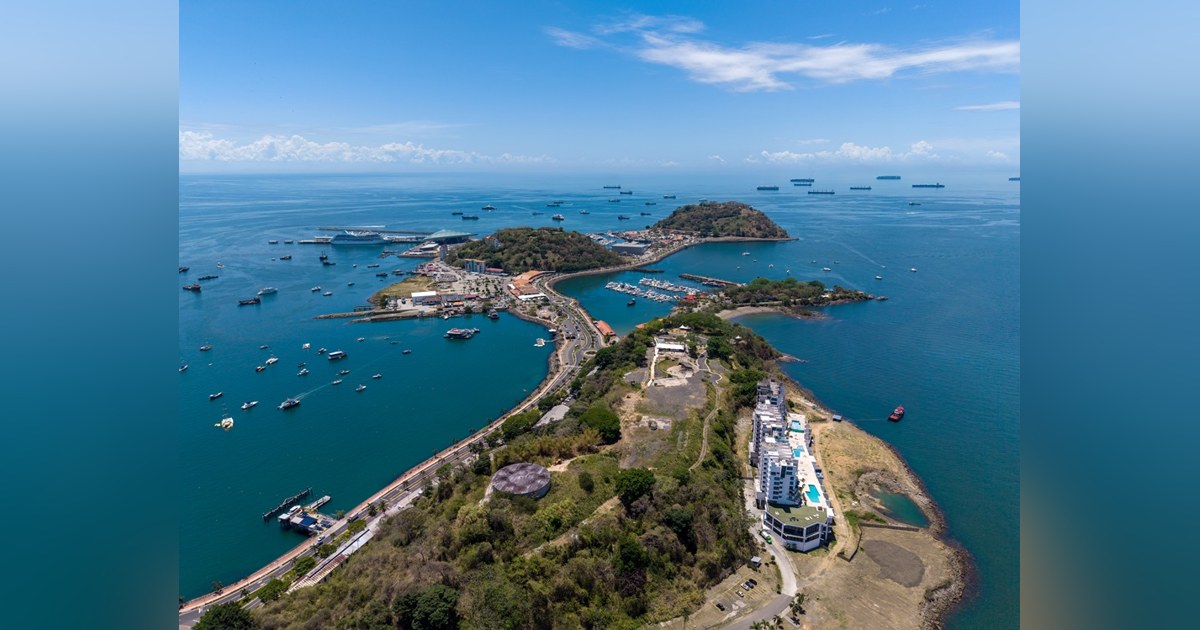
Buying property in another country typically involves weeks of travel and complex procedures, but in Panama, a significant share of international buyers now complete purchases without ever setting foot in the country. According to Jeff Barton, Managing Partner of Panama Sotheby’s International Realty, approximately six in ten of his firm’s international buyers finalize their purchases remotely. About 10 to 15 percent buy without visiting Panama at all, and nearly half visit but close the deal after returning home. Pre-construction developments largely drive this trend, as there is no finished unit to inspect regardless of the buyer’s location.
Several features of Panama’s real estate system reduce the obstacles of distance. The country uses the US dollar, eliminating exchange-rate risk. Foreign buyers generally have the same ownership rights as Panamanian citizens, with limited exceptions, and do not need government permission to buy. “There are no special requirements in order to purchase property in Panama, unlike some other countries where you need permission,” Barton says. Most properties in Panama City are fully titled fee simple, with ownership recorded in the Public Registry, where the government guarantees title, so buyers do not need title insurance as they would in the United States.
The buying process begins with due diligence: confirming clean title and establishing the seller’s identity and legal representation. After price and terms are agreed, a reservation takes the property off the market while paperwork is drafted. Barton recommends that buyers retain their own real estate attorney, ideally before signing a contract. The attorney conducts a title review through the Public Registry. The purchase agreement typically involves a 10 percent deposit, with closing in about 30 to 45 days, usually via wire transfer. One difference that surprises North American buyers is the absence of escrow companies; funds and title are secured through other mechanisms, some offered by local banks, and buyers must understand which applies to their transaction.
Several red flags deserve attention before committing. Title should be free of liens and encumbrances. In a condominium, the financial health of the owners’ association is as important as the unit itself, since it affects maintenance and special assessments. Understanding the seller’s motivation can inform negotiations, and both parties should have clearly identified legal representation. For buyers planning to rent out the property, building management, maintenance costs, and realistic rental income warrant the same scrutiny as the purchase price.
The hardest part of buying remotely is often not the paperwork but the location. Online listings and AI tools can highlight attractive buildings but reveal little about daily life. “Just because there’s a beautiful building or what looks like great amenities in a certain area doesn’t mean that area is going to be the right fit for you,” Barton says. He suggests buyers start with practical questions: distance to supermarkets and schools, walkability, and how the area fits their intended lifestyle. Buyers sometimes focus on a particular building, but seeing several neighborhoods in person can reframe the choice. Punta Pacifica’s oceanfront towers, the historic streets of Casco Viejo, and the Pacific beach communities roughly 90 minutes from the city each suit very different routines. For buyers who can make even one trip, that visit is most valuable for choosing an area, while the transaction itself can often be completed from home.
The implications are significant for the global real estate market. Panama’s framework—dollarization, equal property rights, and a government-guaranteed title registry—demonstrates how removing traditional barriers can attract international capital. As remote work and digital tools become more prevalent, Panama’s model could serve as a blueprint for other countries seeking to attract foreign buyers. For investors, the ability to purchase property remotely reduces the time and cost associated with international real estate transactions, potentially increasing demand and liquidity in the market. Barton’s firm, operating through PanamaSothebysRealty.com, has observed this shift firsthand, with nearly 20 years of experience in the market. The trend underscores Panama’s growing appeal as a destination for remote property investment, where distance is no longer a barrier to ownership.