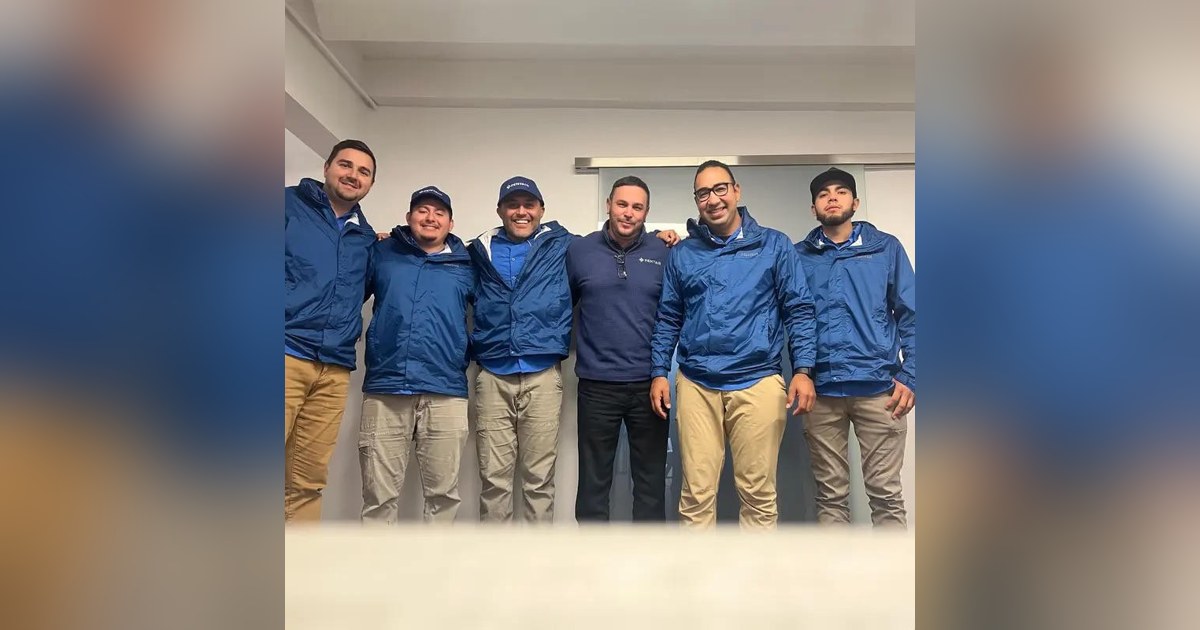
Following Arizona's hottest summer on record, pool owners across the Phoenix metropolitan area are confronting failed pumps, algae-infested water, and cracked or scaled surfaces. Optimal Pool Care, a Scottsdale-based pool service company, reports that repair and cleanup requests have climbed steadily since August, driven by equipment that ran nonstop for six months under extreme conditions. The implications extend beyond inconvenient green water: neglected heat damage can escalate into thousand-dollar equipment replacements and extensive resurfacing projects by next summer.
The heat arrived unusually early and lingered. Phoenix hit 100 degrees on March 18—the earliest such reading in 20 years—and set a daily record of 114 degrees on August 25. Statewide, summer temperatures averaged 2.7 degrees above normal. "Most homeowners think of a pool as something that sits there all summer. In reality, the pump, filter and water chemistry were working overtime for six straight months," said Santos Castro, owner of Optimal Pool Care. "By October, a lot of that equipment is worn out, and the damage usually doesn't show until something fails."
According to company technicians, the damage falls into three main categories. First, overworked equipment: pumps run longer to circulate hot water, causing motors to overheat, bearings to wear, and seals to fail—often all at once in early fall. Second, algae and unbalanced water: intense sun depletes chlorine faster than many owners replenish it, so a pool left unattended for a week or two can turn green within days. Third, surface and tile damage: constant evaporation deposits calcium from the Valley's hard water, building scale on tile and plaster, while temperature swings crack coping and loosen tile.
Optimal Pool Care urges homeowners to watch for five warning signs this fall. A pump that sounds different—grinding, loud humming, or tripping the breaker—typically signals a worn motor or bearings. Water that won't stay clear, turning cloudy or green days after treatment, points to a filter or circulation problem. A white crust at the waterline indicates calcium scale, which is easier and cheaper to remove before it hardens. Rough, stained, or flaking plaster may require an acid wash or resurfacing. Cracked coping or loose tile allows water behind the tile and can develop into more extensive repairs.
The company advises having the pump, filter, water chemistry, and surfaces inspected this fall, before minor heat damage becomes a significant repair heading into next summer. "Weekly service is the best protection against a summer like this one. When someone checks your chemistry, cleans your filter and listens to your pump every week, small problems get fixed before they turn into a $1,000-plus pump replacement," Castro said. For residents in areas like Phoenix, scheduling an inspection now can prevent emergency calls later.
Optimal Pool Care provides weekly cleaning and full repair service across Scottsdale, Phoenix, Paradise Valley, Fountain Hills, Cave Creek, Tempe, Mesa, Gilbert, and Chandler, with written pricing upfront. Homeowners can learn more at optimalpoolcare.com. With more than 15 years of experience, the company's technicians are Certified Pool & Spa Operators and members of the Independent Pool & Spa Service Association. As the Valley recovers from a historic summer, proactive fall maintenance may be the difference between a minor tune-up and a major overhaul.