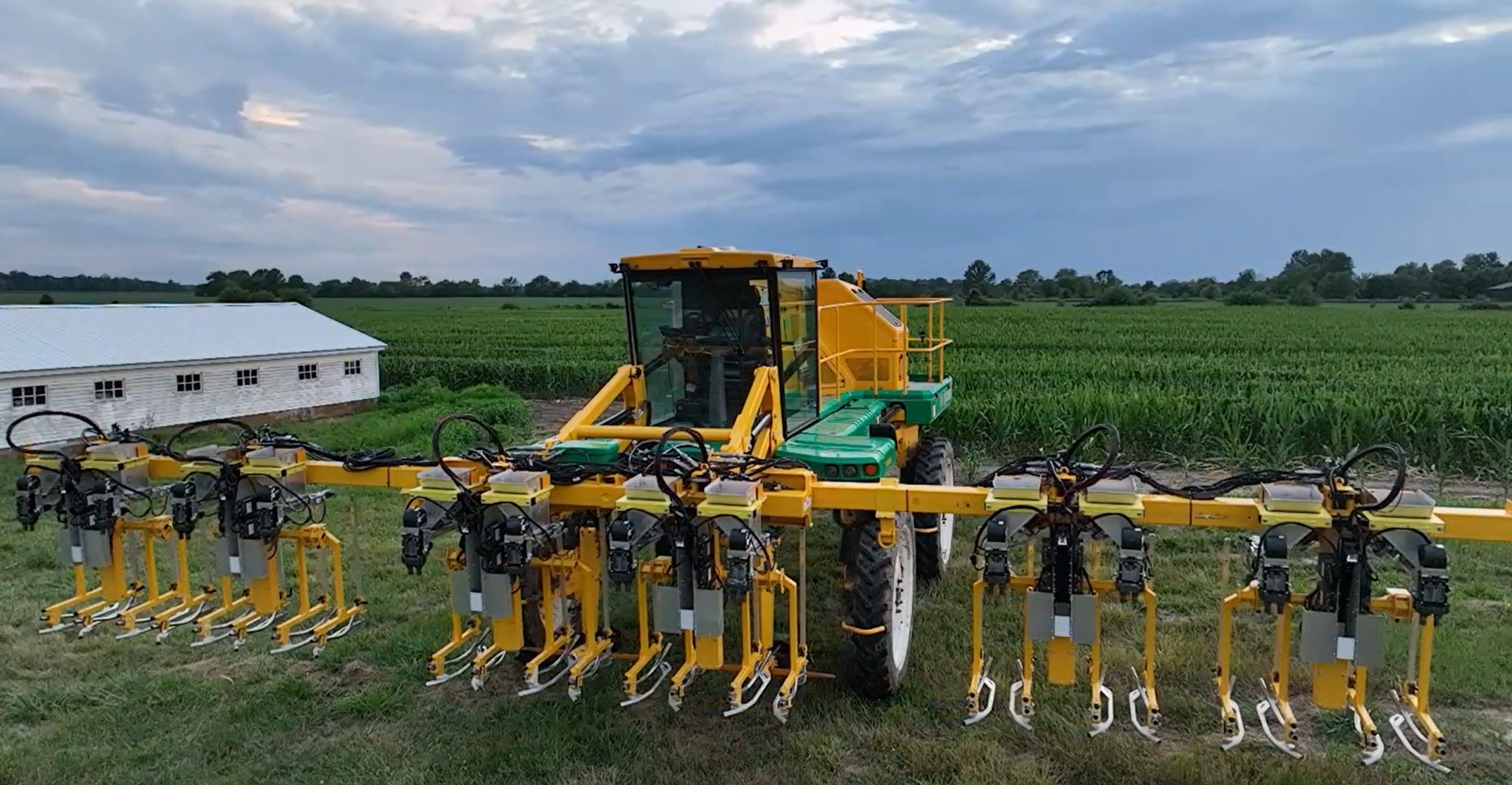
PowerPollen and Oxbo have announced the first mechanized pollination solution for corn seed production, allowing seed companies to directly purchase, integrate, and scale the system ahead of the 2026 growing season. This exclusive partnership, effective through 2030, combines PowerPollen's second-generation technology with Oxbo's 5180 high-clearance power units, marking a significant shift from a service model to a scalable product platform.
The technology enables precise, on-demand pollination that reduces risks associated with weather and timing, improves seed quality, and increases yields by more than 20% across commercial acres. According to the announcement, this breakthrough provides improved control, reliability, and yield for seed producers. The system is available for purchase, allowing seed companies to own and operate the pollination units themselves.
PowerPollen, established in 2015, offers scalable technology to collect, preserve, and apply pollen on-demand. The company has applied its technology across thousands of commercial acres over several years, with headquarters in Iowa and additional research operations in Puerto Rico and Texas. More information about how the technology works is available at www.powerpollen.com.
Oxbo serves the application, forage, fruit, seed, vegetable, and root crop markets, specializing in specialty harvesting and controlled application technology. The company has global engineering, manufacturing, sales, and service support. Details about Oxbo can be found at www.oxbo.com.
This partnership is important because it addresses critical challenges in hybrid corn seed production, such as weather dependency and timing precision, which can significantly impact seed quality and yield. By offering a mechanized solution that seed companies can own, the collaboration democratizes access to advanced pollination technology, potentially transforming the seed industry. The ability to control pollination on-demand could lead to more consistent seed supply and improved agricultural productivity, benefiting farmers and the broader food supply chain.