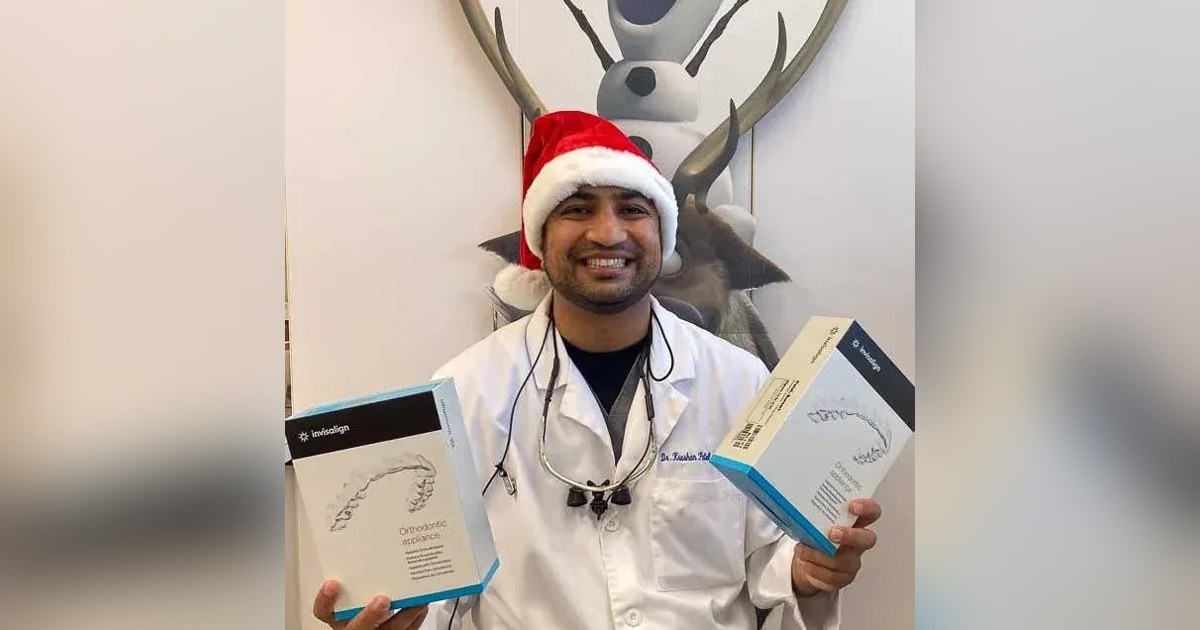
Friendly Neighborhood Orthodontist's Dr. Krushan Patel has released a comprehensive explanation of how Invisalign works, aimed at helping families in La Grange, Western Springs, Brookfield, and Hinsdale make informed decisions about orthodontic treatment. The explanation covers the entire process, from initial digital scans to final retainers, and highlights key differences between teen and adult treatment. This matters because clear aligner therapy has become a popular alternative to traditional braces, but patients often have questions about what to expect. Dr. Patel's breakdown provides clarity on daily wear, treatment duration, and the importance of professional monitoring, which can lead to better compliance and outcomes.
The process begins with a digital scan of the patient's teeth, eliminating the need for traditional physical impressions. That scan generates precise measurements used to fabricate custom clear aligner trays designed to fit each individual's mouth. Dr. Patel, a board-certified orthodontist practicing at 324 W Burlington Ave in La Grange, IL, notes that no two sets of trays are identical—each series is built around the specific alignment goals mapped out during the initial consultation. The aligners work by applying controlled, gradual pressure to shift teeth into the desired position over time. Conditions that aligners can address include crowding, gaps between teeth, and bite issues such as overbites, underbites, and crossbites.
One of the most practical aspects of the treatment is how it integrates into daily life. Dr. Patel explains that aligners should be worn for 20 to 22 hours per day to stay on schedule. Unlike fixed braces, the trays are removable—patients take them out to eat, drink anything other than water, and brush and floss their teeth. This removes the dietary restrictions that often accompany traditional metal braces and simplifies oral hygiene routines during treatment.
Friendly Neighborhood Orthodontist sees both teen and adult patients considering clear aligner treatment, and Dr. Patel draws a clear distinction between the two. Those seeking Invisalign for teens in La Grange, IL should be aware that teens are still in active growth phases, which can affect treatment planning. Teen-specific aligner options include compliance indicators—small blue dots on the trays that fade with wear, helping both patients and parents gauge whether the aligners are being worn as directed. For adults, the considerations shift toward factors like career demands and personal comfort. Many adults choose clear aligners specifically because the trays are less visible than traditional brackets, allowing treatment to proceed without drawing significant attention during professional or social interactions.
Patients receiving Invisalign through Friendly Neighborhood Orthodontist attend periodic check-in appointments throughout their treatment. These visits allow Dr. Patel to confirm that teeth are moving as planned and to address any adjustments needed before the patient advances to the next set of trays. Unlike some aligner programs offered entirely through mail-order platforms, in-person monitoring through an orthodontist allows for clinical oversight at each stage of the process. Once the active aligner phase is complete, patients transition to retainers. Retainers are an ongoing part of maintaining the final tooth position and are considered a standard component of any completed orthodontic case. Dr. Patel outlines this step as part of the overall treatment conversation so that patients understand that wearing retainers after treatment is expected—not optional.
For families interested in learning more about the practice, additional information is available at Friendly Neighborhood Orthodontist.