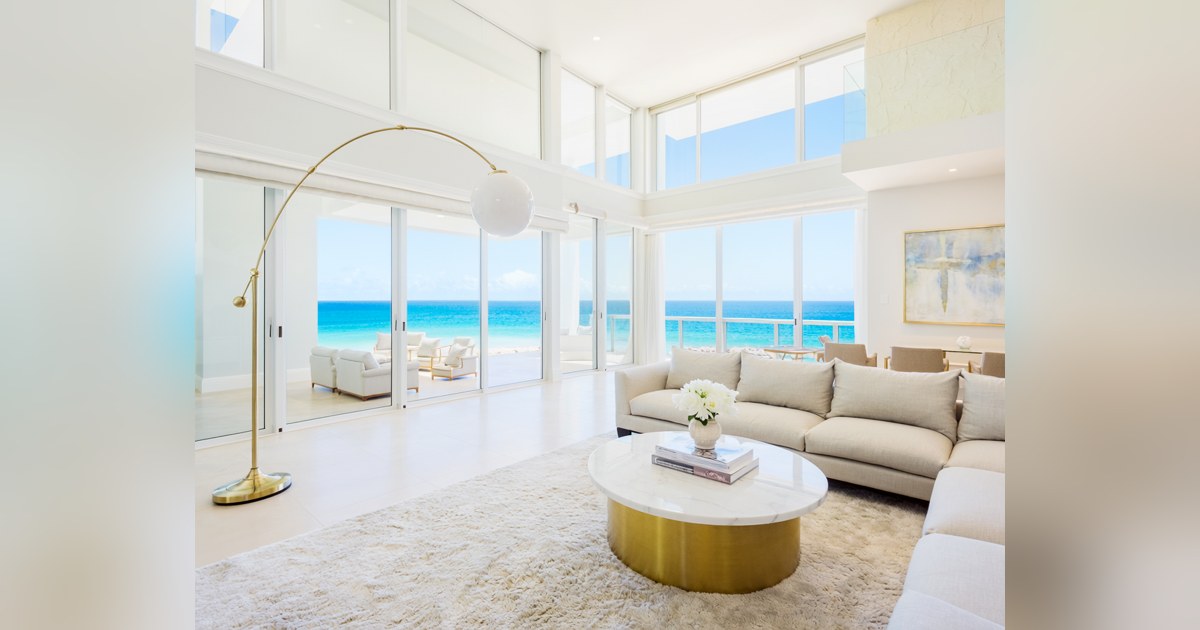
The surge of new condo developments in West Palm Beach, Florida, is not just changing the skyline—it is redefining who buys in the city and why. With some projects nearly sold out and others years from completion, buyers face a market where timing, financing, and developer credibility can determine whether a purchase becomes a sound investment or a prolonged headache. Understanding the forces behind this demand is essential for anyone considering a unit, as the decisions made now will shape both personal outcomes and the broader trajectory of downtown living.
At the high end, South Flagler House, with pricing starting near $10 million, has pushed many buyers toward other projects that are gaining traction, according to Kourtney Pulitzer, a senior global real estate advisor with Sotheby’s International Realty. Mr. C sold through quickly, leaving only a handful of units, while The Berkeley and Shorecrest are drawing steady attention. The Ritz-Carlton Residences is almost completely sold out, and Alba is finished, offering immediate move-in. This mix gives buyers a choice between a building ready today and one delivering in several years—a comparison Pulitzer says is closer than it seems, since both are brand new. For many, the deciding factor is simply how long they are willing to wait.
One major buyer group is people already living nearby on the island of Palm Beach, where buildings are capped at five or six stories and zoning does not allow anything taller. Pulitzer does not expect that to change. “To get that elevation, vertical living, and those views, people are jumping over the bridge from Palm Beach to West Palm Beach,” she says. “They’re living on a nice high floor with a beautiful view, and they can walk downstairs to everything.” That walkability is part of the appeal: as downtown West Palm Beach continues to grow, new towers put residents at the center of it.
Seasonal buyers form another steady source of demand. Many arrive around Halloween, are settled by January, and stay through April or June, and Pulitzer says the area sells a significant amount of real estate to this group every season. Early activity suggests this season will be no different. Many of these deals close without a mortgage—Pulitzer notes that Palm Beach County is one of the strongest cash markets in the country. Buyers who do finance tend to be high earners or second-home buyers who know rates fluctuate and loans can be refinanced later. Her shorthand: “marry the property, date the rate.”
Because pre-construction means buying something that does not yet exist, the people behind a project matter. Pulitzer says standard diligence is the starting point, but buyers should also find out who is financing the project, who the developer and contractor are, and what else they have built. She gathers much of that information directly, recently having dinner with the head of Mast Capital, one of the firms behind Banyan Tree Residences West Palm Beach. “I know them personally,” she says. “I understand who’s putting up the money. I understand who the contractor is. I know what other buildings they’ve built.” The takeaway for buyers is to ask these questions before signing and to work with someone who can answer them from direct knowledge of the local development community.
Deposit schedules, delivery timelines, and what happens if a building runs late are all spelled out in the purchase contract. Pulitzer says the value of an experienced advisor is knowing where that contract has pressure points. “It’s understanding the things that can and cannot be negotiated, understanding the pitfalls and what could happen, and really understanding what you’re buying into,” she says. Before signing, buyers should read the deposit terms, the delivery language, and the remedies if construction is delayed—and ask which terms are open for discussion. In a market moving this quickly, that preparation may be the most important purchase of all.