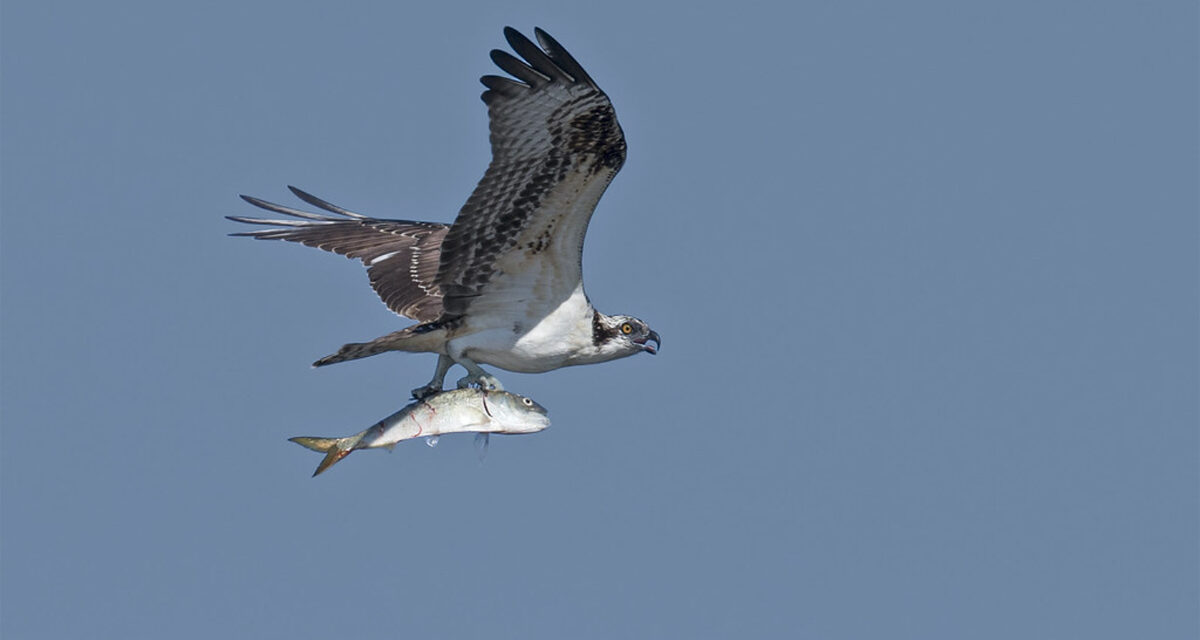
Across the Chesapeake Bay, fishermen are reeling in fewer striped bass. Many osprey have stopped laying eggs, and chicks that do hatch often starve to death in the nest. These bad omens may be tied to the faltering health of Atlantic menhaden, a nutrient-rich fish foraged by larger bay species and used by the bay’s people since pre-Colonial times. At stake is a flagging effort to save the estuary’s cherished osprey and striped bass, balanced against hundreds of jobs in Virginia that rely on the menhaden fishery, the last of its kind on the Atlantic seaboard.
The Baltimore Banner reports that the menhaden population's decline has reached a critical point. Menhaden serve as a key food source for striped bass, osprey, and other predators. Without sufficient menhaden, these species struggle to survive. Scientists warn that the collapse of menhaden could trigger a cascade effect, destabilizing the entire Chesapeake Bay ecosystem. The situation highlights the tension between environmental conservation and economic interests, as Virginia's menhaden fishing industry employs hundreds and supports coastal communities.
Meanwhile, the politics of environmental regulation continue to play out in Maryland. As reported by Maryland Matters, Exelon Corp. plans to seek legislative approval to build and operate a power plant in Maryland, a reversal of a 26-year-old utility deregulation policy that forced utilities to separate generation from transmission. This move could reshape the state's energy landscape, but critics argue it may hinder progress toward renewable energy goals. Additionally, top Democrats are pushing for the US Wind offshore wind project off Ocean City, which has faced challenges from the Trump administration's policies favoring fossil fuels.
The interconnectedness of these stories underscores the broader challenges facing Maryland: balancing economic growth with environmental sustainability, navigating federal policy shifts, and addressing local ecological crises. The menhaden fight, in particular, serves as a microcosm of the larger struggle to preserve the Chesapeake Bay's health while supporting the livelihoods of those who depend on it.