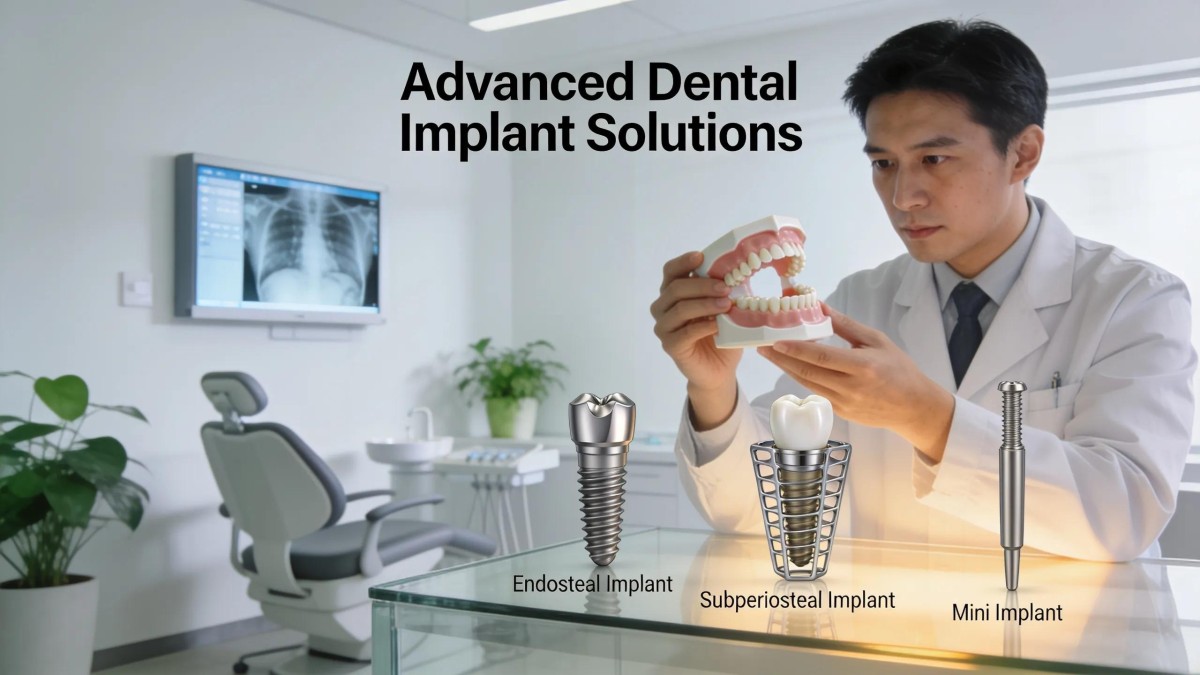
Missing teeth can affect far more than your appearance. They can make eating difficult, change the way you speak, and lower your confidence in social and professional situations. Fortunately, dental implants offer a long-lasting solution that looks and functions like natural teeth. While many people assume implants are too expensive, there are practical ways to reduce costs without sacrificing quality or safety.
Understanding what you’re paying for is crucial. Dental implants involve more than just the artificial tooth you see above the gumline. The complete treatment may include consultations, digital imaging, the titanium implant post, the abutment, the custom-made crown, surgery, and follow-up appointments. Some patients may also need tooth extractions or bone grafting before the implant can be placed. Knowing exactly what is included in your treatment plan helps you compare prices more accurately. A clinic advertising a low fee may exclude important services, leading to unexpected expenses later.
One of the easiest ways to save money is by consulting several dental clinics before making a decision. Prices can vary significantly between providers, even for similar treatments and implant systems. Comparing estimates allows you to evaluate not only cost but also experience, technology, warranties, and patient care. Don’t choose a clinic based solely on the lowest price. Instead, look for the best overall value and a dentist with a proven track record in implant dentistry.
Many dental offices understand that implants are a major investment and offer flexible payment plans. Monthly financing can make treatment more manageable without requiring a large upfront payment. Some providers also partner with healthcare financing companies that offer low-interest or interest-free promotional periods for qualified patients. Exploring financing options can help you receive treatment sooner while spreading the cost over time.
Checking your insurance benefits is another step that can reduce out-of-pocket expenses. Although many dental insurance plans provide limited implant coverage, some policies help pay for consultations, extractions, crowns, or related procedures. Health savings accounts (HSAs) or flexible spending accounts (FSAs), where available, may also be used to pay for eligible dental treatments with pre-tax dollars.
Accredited dental schools often provide implant procedures at reduced prices because treatments are performed by supervised students or residents. These programs maintain strict educational and clinical standards while offering patients an opportunity to save money. Appointments may take longer than at a private practice, but the quality of care is carefully monitored by experienced professionals.
Dental tourism is another option, but it requires thorough research. Some countries offer high-quality dental implants at substantially lower prices due to lower operating costs. Patients should verify the dentist’s credentials, review patient testimonials, and understand the follow-up care process before committing. Travel costs, accommodations, and future maintenance should also be factored into the total expense to determine whether the savings are worthwhile.
Avoid deals that seem too good to be true. Extremely low prices can sometimes indicate inferior materials, outdated technology, or inexperienced practitioners. Poorly placed implants may fail prematurely and require expensive corrective procedures. Instead of chasing the cheapest option, focus on providers who use reputable implant systems, maintain transparent pricing, and have positive patient reviews and documented success.
Maintaining good oral health before treatment is also important. Healthy gums and sufficient jawbone support increase the likelihood of a successful implant procedure. Treating gum disease or addressing oral health issues early may prevent additional complications and reduce the need for costly preparatory treatments. Practicing good oral hygiene before and after surgery helps protect your investment for many years.
Finally, think long-term instead of short-term. Although implants may cost more initially than bridges or dentures, they often last decades with proper care. Their durability, stability, and natural appearance make them a cost-effective solution over time, reducing the likelihood of repeated replacements or adjustments. Choosing quality treatment today can save significant money and discomfort in the future.
Affordable dental implants are possible with careful planning and informed decision-making. By comparing providers, exploring financing options, checking insurance benefits, considering dental schools, and prioritizing quality over the lowest price, you can restore your smile without overspending. The best value comes from balancing affordability with expertise, modern technology, and long-term reliability. With the right approach, you can enjoy a confident smile and improved oral health while staying within your budget.
For more information, visit Affordable Dentist Near me of Denton.