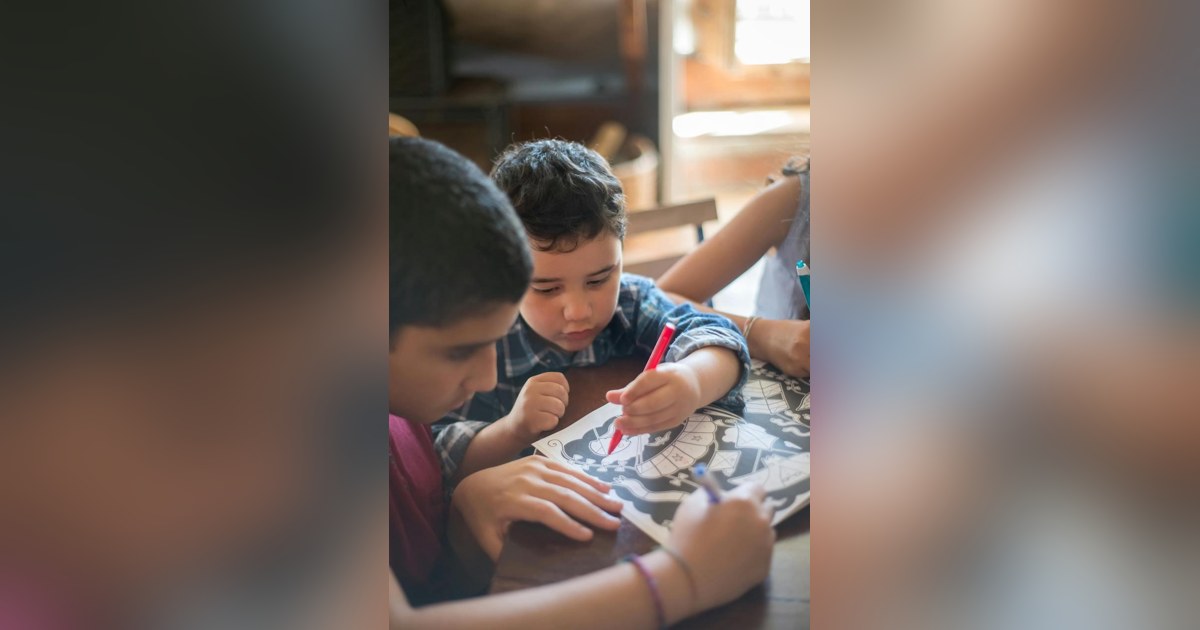
A parent should never be afraid to walk into their child’s school. Yet nearly one in five Hispanic parents say they have skipped or avoided a school event in the past year because of immigration concerns. According to a recent survey from the National School Choice Awareness Foundation, 57% of Hispanic parents say the current immigration policy environment is at least a somewhat concerning factor in their family’s daily life. 14% have kept their child home from school, and 11% have avoided contacting a teacher or a school staff member. When fear begins to influence whether a parent attends a school event, talks to a teacher, or sends a child to class, it becomes an education issue.
None of this is about which side of the immigration debate a parent is on. It is about what happens when fear enters a decision that used to be simple: whether to walk into your child's school. As a Latina and a mother of two teenagers in a traditional public school, Krissia Campos Spivey knows what the community brings to this country: Latinos drove 28% of all U.S. economic growth last year alone, and the Latino economy, standing on its own, would rank as the fourth largest in the world. It is painful to know how many children are living in this fear.
As we recognize Hispanic Heritage Month, it is also an important moment to listen to what Hispanic families are telling us about their children’s education and what they need to feel informed and supported. When asked what would actually help them navigate this moment, the answer that came back most often, ahead of legal help and mental health support, was strikingly basic. Forty-one percent said they simply want clear information about their children's right to a public education, regardless of immigration status. That right is not a matter of opinion. The Supreme Court settled it more than four decades ago in Plyler v. Doe, ruling that states cannot deny a free public education to a child because of immigration status. Yet that protection is only meaningful if families know about it. Clear, accessible information can help ensure parents understand the rights their children already have.
That same gap between what families want and what they know shows up again when we look at school choice. 41% of the parents surveyed said immigration concerns have led them to consider, actively explore, or choose a different kind of school or learning environment for their child in the past year. For many families, these concerns are becoming part of how they think about where and how their child learns.
And while we are talking about Hispanic families, this is not a story about one community, set apart from the rest of the country; it is about our country. Almost three in 10 public school students in the United States are Hispanic today, according to federal education data, and roughly one in four American children under eighteen are Latino, a share that has been growing for years, according to the Census Bureau. Those numbers make one thing clear: Latino children's education is not a side issue. It is part of the future of this country's classrooms, workforce, and communities.
No child, whatever their family's background, should have to carry a worry bigger than a spelling test or a reading level. Every child deserves a school where they can grow up happy, capable, and free to build the life they choose. Schools, districts, and community organizations all have a role to play. That means making sure families understand, in plain language and in the language they speak at home, their child’s right to a public education. It also means helping parents understand the learning options available to them so they can make informed decisions for their children. Resources like Conoce Tus Opciones Escolares can help Spanish-speaking families explore those options and find information in their own language.
A parent who knows what learning options are available to her child can make a confident, informed choice for that child's future. That is not a partisan ask. It is simply what every family in this country deserves.