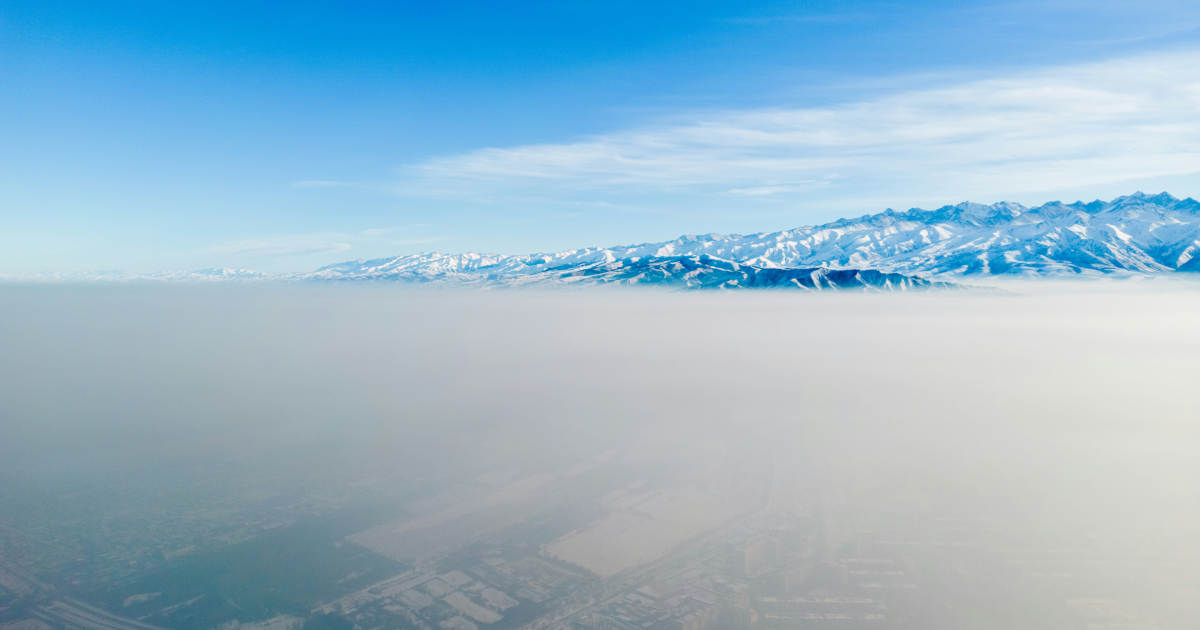
Greenland Energy (NASDAQ: GLND) is advancing its exploration activities in Greenland's Jameson Land Basin, a project that is drawing increased attention amid global concerns over energy security and the reliability of oil supplies from traditional producing regions. The company, which focuses on hydrocarbon development in Greenland, has an agreement that could allow it to earn up to a 70% interest in the basin by funding exploration, including two planned wells. Field preparation and infrastructure planning are underway for a targeted 2026 drilling program, supported by reprocessed seismic data and geological analysis.
The Jameson Land Basin represents a frontier exploration opportunity in a region that has never seen commercial oil production despite decades of study. The U.S. Geological Survey estimated in 2008 that the basin had less than a 10% chance of containing a technically recoverable hydrocarbon accumulation. However, Greenland Energy is moving forward with a fully financed program, aiming to test the basin's potential. The company's efforts are set against a backdrop of heightened geopolitical tensions, particularly concerns surrounding the Strait of Hormuz, a critical chokepoint for global oil shipments. This has underscored the importance of diversifying oil supply sources and exploring new energy frontiers.
Greenland Energy's project is not without significant risks. The company acknowledges a range of exploration and geological challenges, including the inherent uncertainty in prospective resource estimates. The 13 billion barrel estimate is based on undiscovered accumulations with no certainty of discovery or commercial viability. Geological complexity arises from limited seismic data coverage, pervasive igneous intrusions, faulting patterns, and significant Tertiary uplift, creating thermal maturity uncertainty. The basin has never produced a commercial discovery despite studies dating back to the 1970s.
Operational and environmental risks are substantial. Drilling in a remote Arctic location involves extreme climate, harsh weather, limited daylight, no existing infrastructure, and seasonal access windows for equipment and personnel. Drilling hazards such as blowouts, equipment failures, well control events, and environmental releases are inherent in oil and gas operations. The company also faces climate change scrutiny, as operations in Greenland face increasing opposition from environmental groups and institutional investors due to Arctic drilling concerns.
Regulatory and political risks add another layer of complexity. A 2021 Greenland drilling moratorium is in place, though existing licenses are grandfathered. Future regulatory changes could jeopardize operations. Geopolitical tensions, including U.S. interest in acquiring Greenland and Greenland's internal independence movements, could also affect operations. Drilling requires Environmental Impact Assessment approval and Field Activities Application approval from Greenlandic authorities. Failure to meet drilling milestones could result in forfeiture of the company's right to earn working interests.
Financial and capital risks are significant. The company needs substantial funding beyond current resources to complete the drilling program. Estimated well costs are $40 million for the first well and $20 million for subsequent wells. Commodity price volatility will heavily influence project viability, and the long development timeline means market conditions may change significantly before potential production, unlike short-cycle shale projects. The company has expressed going concern uncertainty and substantial doubt about its ability to continue as a going concern without additional financing. Energy transition risk also looms, as global demand for oil may decline due to electric vehicle adoption, renewable energy policies, and changing consumer preferences.
Despite these challenges, Greenland Energy is positioning its Jameson Project within the growing focus on energy security. The company's efforts are part of a broader narrative on the need for diversified oil supply sources. For more information, visit https://nnw.fm/hBujn and the company's newsroom at https://ibn.fm/GLND.