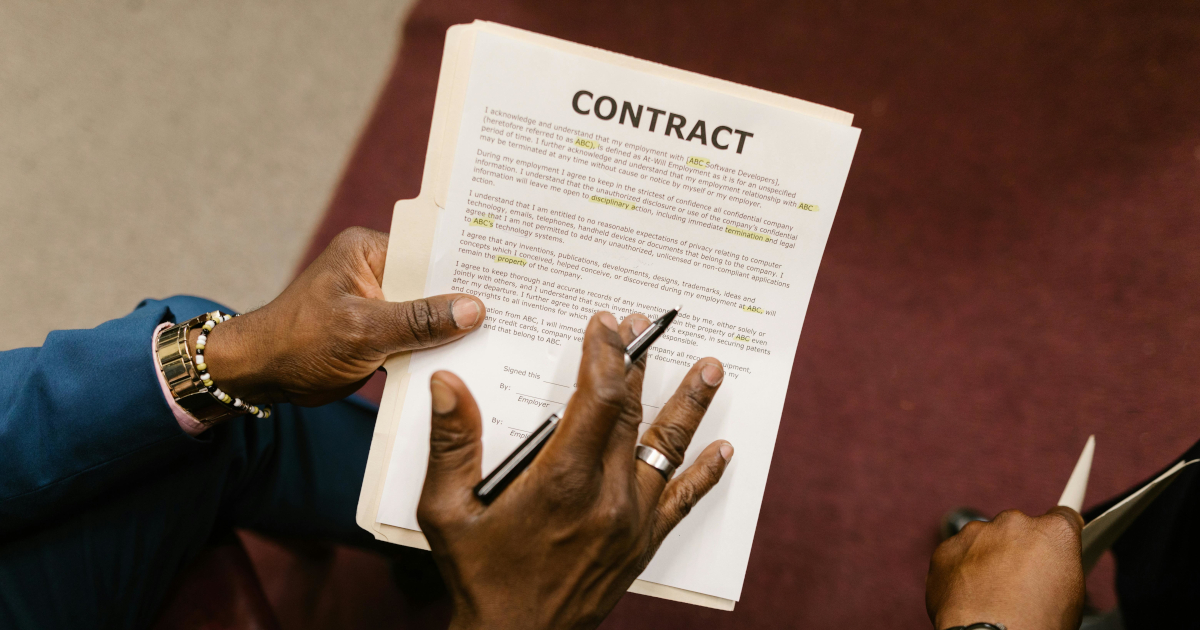
Legal Eagles, the law firm of Mario Gunde Peters & Kelley, has published an in-depth legal guide on grand theft charges in Florida, aiming to demystify the state's complex property crime laws. The resource, titled Grand Theft in Florida – Penalties and Defense Options, provides a structured breakdown of how prosecutors handle such cases, from third-degree felonies to first-degree offenses.
Understanding Florida's legal treatment of property crimes is critical for anyone facing criminal proceedings. The guide outlines key statutory thresholds, emphasizing that factors beyond simple monetary value—such as the nature of the stolen property or the circumstances of the alleged act—can significantly affect felony classifications and potential court outcomes. For instance, stealing certain items like firearms or controlled substances may lead to enhanced penalties regardless of their market value.
The guide also delves into procedural elements, including property valuation standards, driver's license implications, and statutory time limits for prosecution. Florida law specifies how the value of stolen property is determined, which can be pivotal in charging decisions. Additionally, individuals convicted of grand theft may face driver's license suspensions, a consequence that underscores the seriousness of these offenses.
Beyond statutory definitions, the resource explores recognized defense frameworks. It offers valuable context on how intent and evidence impact trial proceedings, highlighting potential defenses such as lack of intent, mistaken identity, or unlawful search and seizure. The guide explains that prosecutors must prove every element of the offense beyond a reasonable doubt, and defense attorneys can challenge the valuation of property or the legality of evidence collection.
The publication serves as a valuable tool for the public, legal researchers, and anyone seeking clarity on Florida's grand theft laws. By breaking down complex statutes and defense strategies, Legal Eagles aims to empower individuals with knowledge to better navigate the legal system.
Mario Gunde Peters & Kelley, operating as Legal Eagles in Brevard County, Florida, emphasizes a client-centered approach. Their philosophy, as stated on their website, is that they are not in the practice of law solely to make money but share a commitment to helping others. For more information, readers can access the full article on their website.