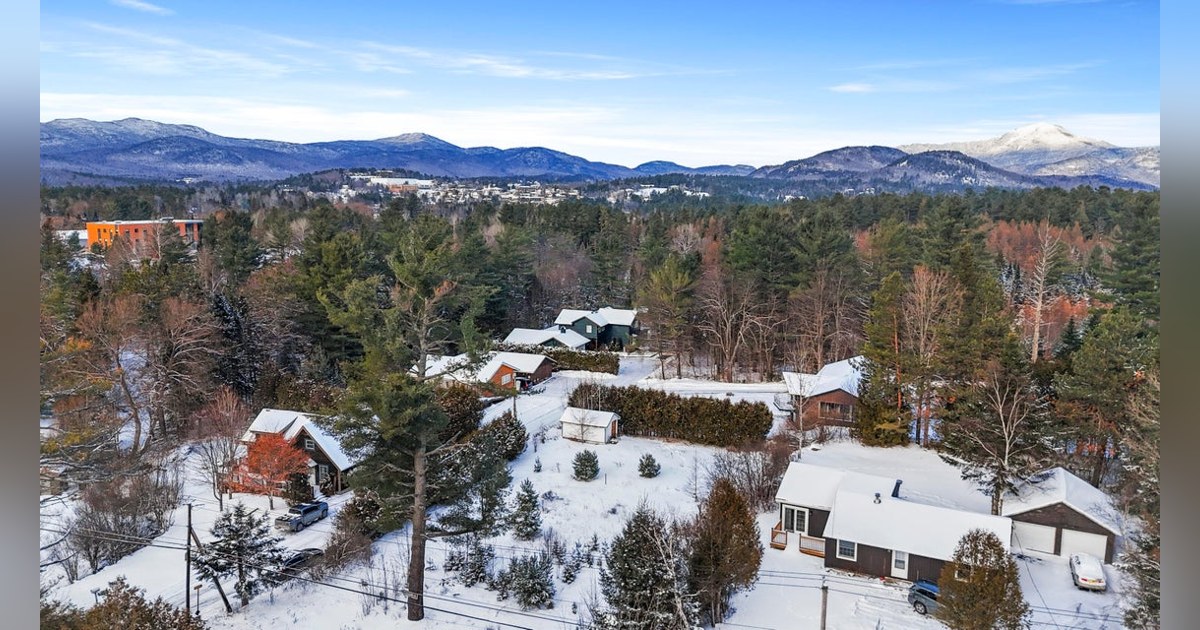
For the growing number of buyers who purchased a second home in the Adirondacks this year, the first winter brings a steep learning curve. According to Chase Jermano, broker of Tina Leonard Real Estate, the most expensive winter damage in the region usually traces back to a single choice made in the fall: whether to keep the house heated or have it winterized. That decision carries significant financial implications, as a mistake can lead to tens of thousands of dollars in repairs.
Winterizing involves draining water from the plumbing and adding antifreeze to the system. Done properly, it is typically the less expensive option, but a careless job can cost far more than it saves. “If you get the water out, you’re good. If you don’t get the water out, you’re in trouble,” Chase Jermano said. Even a small amount of water left in a toilet can freeze and crack it, which is why he recommends hiring a professional or having one demonstrate the process.
Owners who choose to keep the heat on should set the thermostat no lower than 55 degrees Fahrenheit. Jermano also suggests installing a monitor that tracks indoor temperature and moisture, along with a remote water shutoff valve that can be closed from a phone if something goes wrong. These devices provide peace of mind for absent owners and can prevent small issues from escalating.
The calculation changes for older homes. Many houses in the region date to the early 1900s, and those without a recent plumbing update may not tolerate winterizing well. When water is reintroduced in spring, connections in older pipes can come apart. For those homes, keeping the heat on through the winter may cost less in the end. Deep cold can also damage finishes; Jermano recently listed a former church where kitchen tiles cracked after the building was left too cold.
Automatic fuel delivery is the safest arrangement, though it still requires monitoring. A stretch of several weeks at 20 below zero or colder can burn through fuel faster than the delivery schedule anticipates, turning a routine refill into an emergency call. The boiler or furnace should be serviced before the season begins, since a heating system that fails while no one is home can lead to frozen pipes within a short time.
Snow removal means more than plowing the driveway. Roofs and decks need clearing as well, ideally before ice dams form. Timing matters because once a midwinter thaw arrives, contractors who clear roofs are booked up, and an ice dam can force meltwater into the house. A caretaker or trusted neighbor who checks on the house regularly remains one of the most reliable safeguards.
The costliest first-winter error Jermano sees is burst pipes. He has witnessed $50,000 or more in damage happen within minutes in a house where the heat simply was not set high enough. In another home, pipes ran too close to an exterior wall without enough insulation; they froze and burst, flooding a finished basement two winters in a row.
Houses with older single-pane windows benefit from storm windows, or at least plastic film, which cuts drafts and heating costs when owners are staying there. For owners driving up on winter weekends, Jermano’s first piece of advice is about the car: invest in good snow tires. “If you’re going to be here, you want to be able to make it everywhere safe,” he said. For many new owners, the first winter is when they learn how much an Adirondack house depends on the preparation done in the fall. More information is available at tinaleonardrealestate.com.