Independent restaurant operators in California, typically managing between 1 and 25 locations, face a formidable regulatory landscape. They must navigate health inspections, wage and hour laws, and county-specific food safety codes across all 62 counties, yet often lack the dedicated compliance staff that larger chains possess. This structural gap has become increasingly perilous as nearly 40% of California restaurants reported unprofitability in 2024, and as PAGA (Private Attorneys General Act) lawsuits targeting restaurant operators continue to rise.
Enter ComplianceKitchen, a new California-specific compliance platform designed to address this exact challenge. Priced at $59 per month per location on annual billing, the platform offers an affordable alternative to hiring compliance officers, HR directors, or outside legal counsel. The launch comes at a critical time when a single health inspection failure or PAGA lawsuit can have devastating financial consequences for independent operators already operating on razor-thin margins.
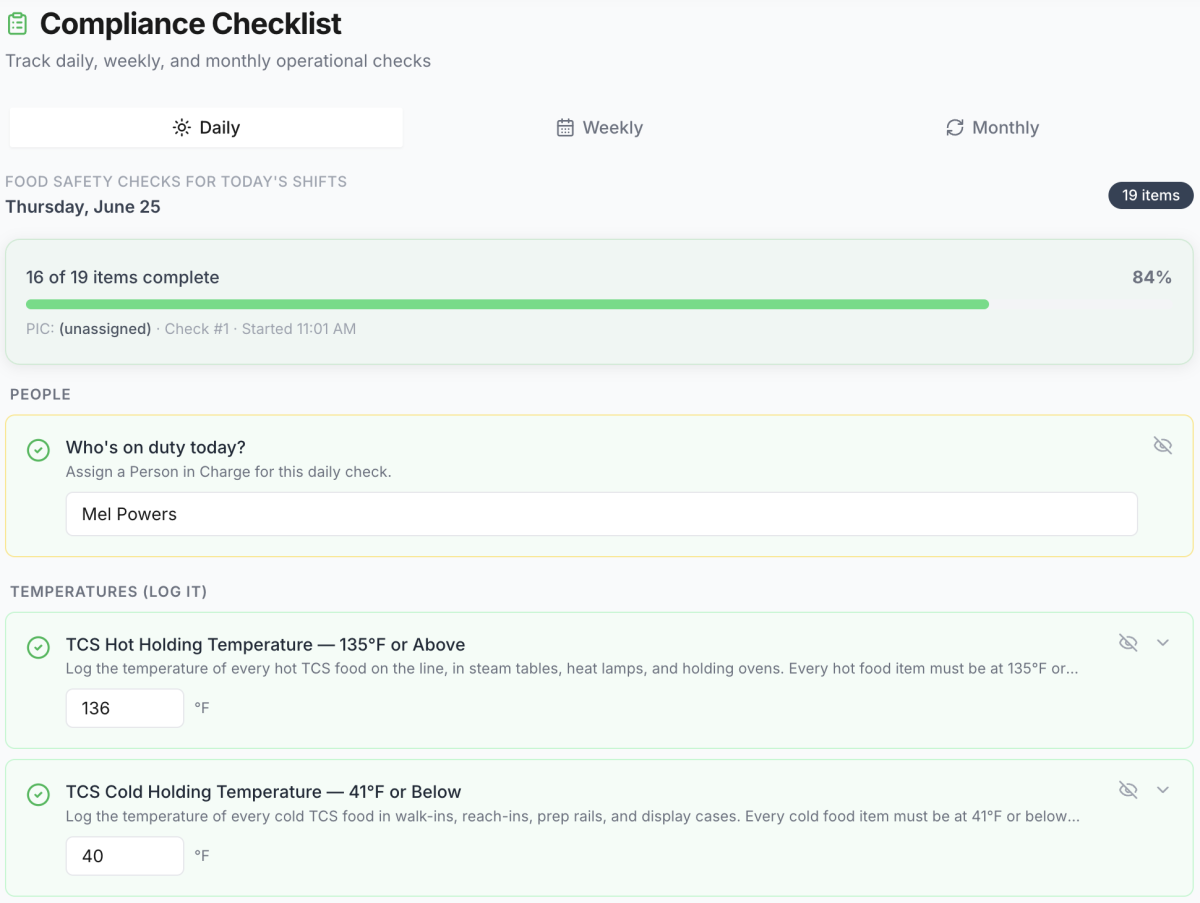
The platform's core functionality is built around five key capabilities. First, it provides AI-powered restaurant health inspection readiness tools, acting as a digital health inspection app that identifies gaps before an inspector arrives. Instead of relying on memory or paper checklists, operators receive structured, jurisdiction-specific prompts aligned with California Department of Public Health and county environmental health criteria. Second, it addresses PAGA liability directly by mapping documented compliance workflows against common exposure points, creating an auditable record of corrective actions taken. This is crucial because California's PAGA statute allows employees to bring legal action on behalf of the state for labor code violations, and independent operators are frequent targets.
Third, the platform offers county-level jurisdiction mapping, ensuring that operators with multiple locations apply the correct standards for each specific county, reducing the risk of inadvertently using one county's rules in another. Fourth, it recovers significant manager time; operators report saving over 4 manager hours per week that were previously spent on manual compliance tracking. For independent operators where a general manager often doubles as the compliance point person, this time recovery has direct labor cost implications. Finally, the per-location pricing structure makes compliance software financially accessible, breaking away from enterprise-oriented pricing that has historically excluded smaller operators.
The importance of this launch extends beyond mere regulatory compliance. In California, a failed health inspection can lead to temporary closure, public health grade downgrades, and reputational damage that affects customer volume for months. For operators already struggling to stay profitable, these outcomes can compound quickly, potentially pushing them out of business. By providing a tool that helps prevent such failures, ComplianceKitchen addresses the intersection of compliance and financial survival.
ComplianceKitchen's California-first design is a deliberate choice. Rather than adapting a general-purpose product, the platform is grounded in California's actual regulatory structure, targeting the specific failure points independent operators are most likely to encounter. The platform covers all 62 California health jurisdictions and is available to operators running 1 to 25 locations. For those evaluating how to buy restaurant compliance software without entering into enterprise contracts, ComplianceKitchen offers a 14-day free trial through its website, ComplianceKitchen.ai. For operators who have previously managed compliance through binders, spreadsheets, or informal checklists, this platform provides a transition to documented, auditable processes calibrated to California's specific requirements.